A listening guide
Palos you may hear: soleá to martinete
What a palo is, what compás means and how to recognise martinete, soleá, seguiriya and Jerez's festive finale before the first note at the tablao.
Reserve a place at the tablao ↗What a palo is
Each flamenco style is called a palo: a recognised form with its own rhythmic pattern, mode, chords, verse shape and home region. Flamenco has more than fifty of them, and they have traditionally been sorted into groups, from the grave cante jondo to the lighter cante chico. At a tablao you will not hear all of them. You will hear a handful, and each has its own mood, speed and way of moving the dancer.
Compás: the pulse under every palo
Compás is the Spanish word for metre, and in flamenco it also names the repeating rhythmic cycle that each palo follows. Many palos run on twelve beats, with the accents placed differently from one palo to the next. When no guitarist is playing, palmas, hand-clapping, can carry the compás on their own. You do not have to count along. Listen instead for the moment when the clapping, the guitar and the singer land together on the same beat.
Martinete: song with no guitar
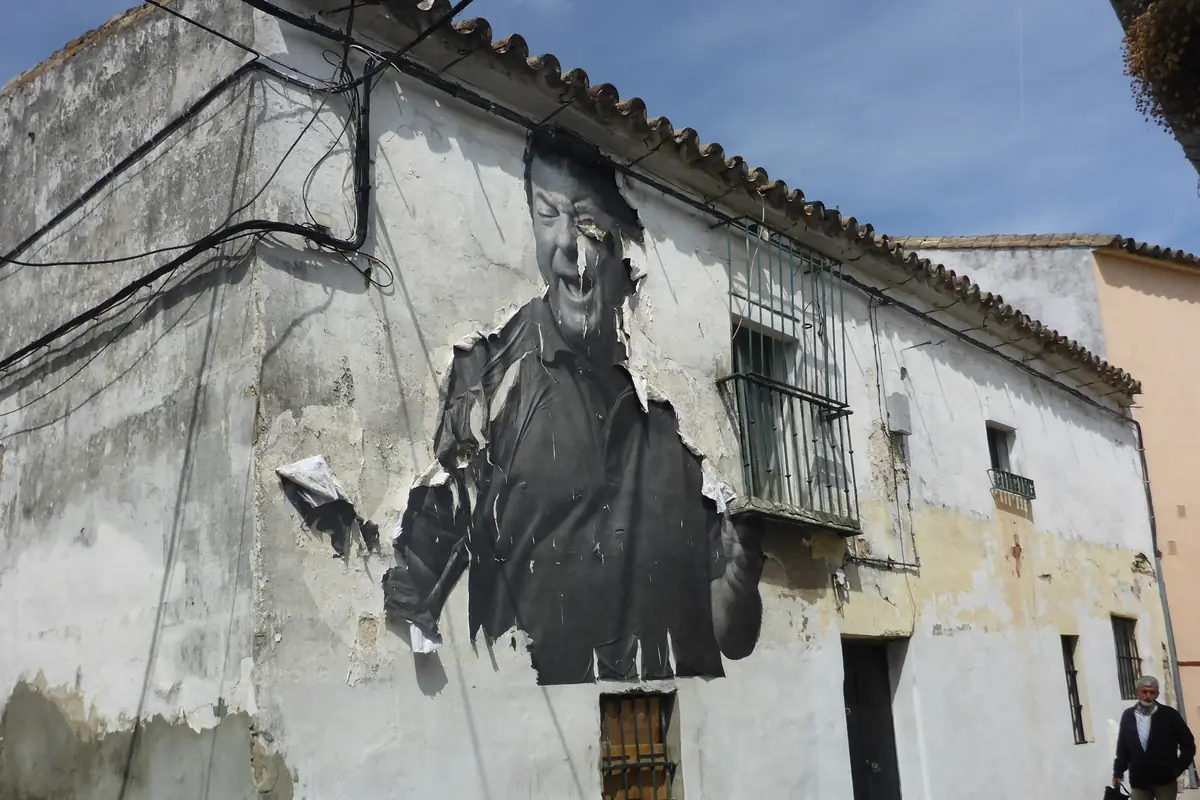
Martinetes belong to the tonás, songs sung unaccompanied, which traditional flamencology treats as the oldest surviving form of flamenco. The style is attributed to Romani blacksmiths, and in some stage shows a hammer on an anvil is added to recall it. Verses often allude to persecution, prison and the forge. The songs were probably not true work songs, because they take too much effort to sing during heavy labour.
Soleá: the slow, serious palo
The soleá has twelve beats, is usually accompanied by one guitar and typically carries serious lyrics. Other palos have derived their compás from the soleá. Historian Pierre Lefranc credits Merced La Serneta, a singer from the San Miguel barrio of Jerez, with refounding the soleá tradition around emotion.
Seguiriya: the weight of grief
Seguiriyas belong to the same twelve-beat family as the soleá, but the accents fall in a different pattern and the pulse can seem irregular to an unpractised ear. Lefranc names Manuel Molina and El Loco Mateo among the San Miguel singers who shaped the form, and describes that barrio's song as leaning toward the forceful expression of naked grief.
The festive finale
Jerez gave flamenco its fastest festive palo, a twelve-beat rhythm that the tourist office calls the most genuine style of the city. Its origin is placed among the Romani families of Jerez in the 19th century. It drives the end of celebrations in Jerez, with clapping, jaleo and the dancer's steps answering the guitar.
Fandangos, tangos and others
Fandangos are described as bimodal: the guitar introduction is in the Phrygian mode, while the singing develops in the major. Tangos are also counted among the main palos and use Phrygian harmony. A tablao programme can also fold in other palos, so a name you do not recognise is not a problem. The rhythm and mood will tell you whether a piece is slow and serious or quick and festive.
The five palos at a glance
If the names blur, keep this short reference in mind. Every performance differs, so treat it as a map of moods, not a programme, and do not worry if a piece does not announce its name. The rhythm and the mood will tell you a lot even when the title passes you by.
- Martinete: unaccompanied song, serious, linked to the forge
- Soleá: twelve beats, one guitar, serious lyrics
- Seguiriya: twelve beats, accents that make the pulse hard to count
- Jerez's festive palo: fast, twelve beats, clapped and shouted
- Fandangos: guitar in a Phrygian mode, singing in major
How to listen
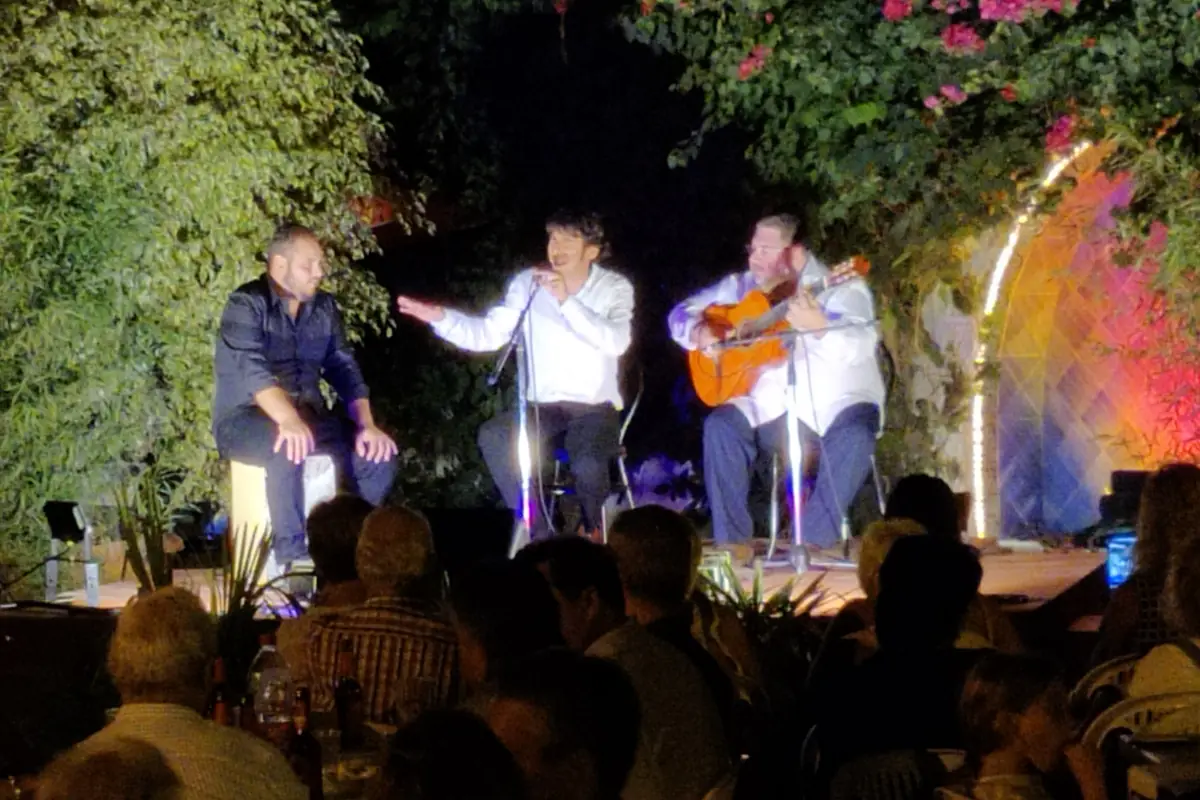
Begin with the voice, then add the guitar. Flamenco guitarists use rasgueado, strummed rhythmic patterns, and falsetas, short solo phrases between verses. Next watch the dancer, whose footwork answers the singer; guitar techniques also articulate the compás, answer the singer and cue the dancer. Finally listen to the palmas, which hold everything together. By the end of an hour you will have heard how the pieces speak to each other, even if the words pass you by.
Sources